

Your Van Is Not a Car With More Space
Short answer
A van doing short urban runs all day, fully loaded, is at the hard end of the service interval, not the middle. That usually means shorter oil intervals than the dash suggests, treating DPF condition as a service item, and checking the clutch, brakes and suspension before something goes wrong.
At a glance
- For a van the repair is the smaller number. A week off the road costs far more than the invoice.
- A DPF regeneration needs the exhaust around 600 degrees for a sustained stretch. Stop start deliveries and short hops between jobs rarely keep it that hot.
- An amber DPF light on its own will often clear with thirty to forty minutes at highway speed. With the engine management light too, book it.
- When an AdBlue system faults, most newer diesel vans will refuse to restart once the countdown expires.
- A rattle at idle that settles when you press the clutch pedal usually points at the flywheel rather than the clutch.
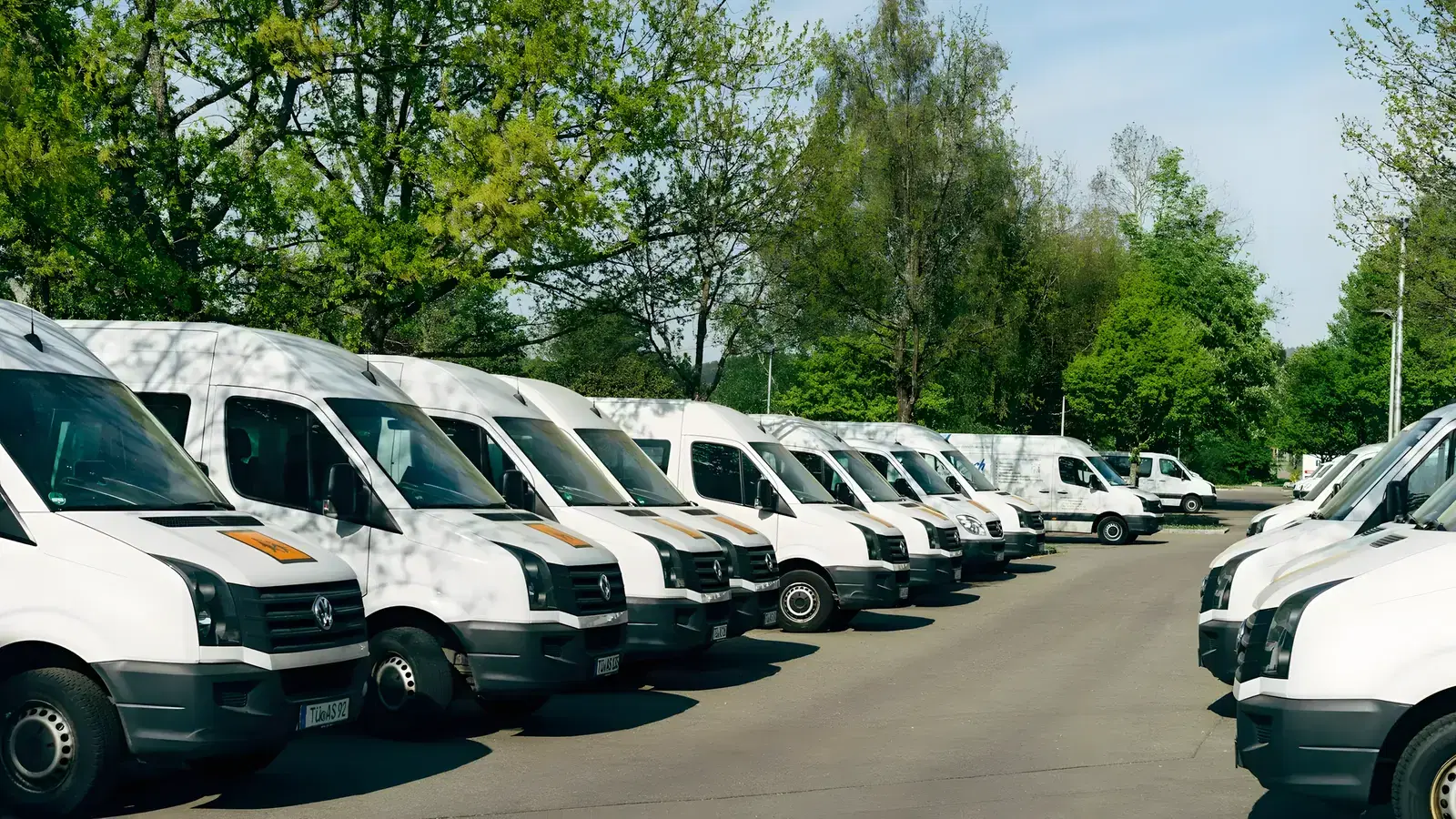
A Transporter doing twelve drops a day is not doing the work a Golf does. Same badge, same engine family in some cases, completely different life.
Servicing it on car assumptions is how tradies and couriers end up with a van off the road for a week, which costs far more than any repair bill on it.
Here is what we see most on European vans, and what it actually costs you when it happens.
The real cost is the days, not the invoice
For a van the repair is the smaller number.
A week off the road is a week of jobs you did not quote, deliveries you did not run, or a hire van at daily rates while yours sits on a hoist waiting for a part.
That changes what good servicing looks like. The point is not the cheapest invoice. The point is catching the things that strand you, before they strand you, and booking the work when it suits your run rather than when the van decides.
Why is the DPF the number one problem?
The diesel particulate filter traps soot and then burns it off. To do that it needs the exhaust genuinely hot, somewhere around 600 degrees, held there for a sustained stretch. That is called a regeneration and on a healthy van it happens every 400 to 700 km of suitable running.
Now look at how a van actually gets used.
A delivery van spends its day in stop start traffic at low speed. A trade van does short hops between job sites with the engine off in between. Neither pattern keeps the exhaust hot long enough, often for weeks at a time. Soot goes in faster than it comes out.
That is not a fault. That is the van doing exactly the job you bought it for, on a system designed around highway running.
The warning signs, in order:
- An amber DPF light on its own. The filter is loading up and wants a sustained run. Thirty to forty minutes at highway speed will often clear it.
- The DPF light together with the engine management light. Driving will not fix this one. Book it.
- Noticeable power loss, because the van is limiting output to protect itself
- Fuel use creeping up
- Rough idle, or white and grey smoke that is not the normal cold start puff
What it costs if you push on. A blocked filter builds back pressure through the whole exhaust system. We see split intercoolers, blocked pressure sensor pipes and damaged turbochargers come out of ignored DPF lights. All of those are multiples of what a clean or a forced regeneration would have cost.
If the light comes back within a few days of a good long run, the blockage is past what driving can clear. That is a workshop job, not a longer drive.
What about AdBlue, on the newer ones?
Newer diesel vans run AdBlue to clean up the exhaust chemically. When the system faults, and they do, most of these vehicles will refuse to restart once the countdown expires. Not reduced power. Will not start.
It is a system worth getting looked at the first time it complains, because the failure mode is a van that does not move, usually at the least convenient moment.
Clutch and dual mass flywheel
A loaded van in stop start traffic is about the hardest life a clutch gets. Add a trailer or a full payload and the flywheel takes it too.
The giveaways are a bite point that has climbed, slipping under load going up a hill, a judder pulling away from rest, or a rattle at idle that settles when you press the pedal. That last one usually points at the flywheel rather than the clutch, and the flywheel is the part that surprises people on the quote.
On a van this is the repair most worth catching early, because it is days of labour and the van is not going anywhere while it happens.
Brakes and suspension carry the load
A van at full payload stops and rides very differently to an empty one, and the wear reflects it. Rear springs, shock absorbers, bushes and brakes all work harder than the service schedule's average assumption.
Worth having looked at as a matter of routine rather than waiting for a noise, particularly if the van is loaded most days.
Service it on how it works, not on the number
The interval in the book is an average. A van doing short urban runs all day, fully loaded, is at the hard end of that average, not the middle.
That usually means shorter oil intervals than the dash suggests, taking DPF condition seriously as a service item rather than a warning light, and looking at the clutch, brakes and suspension on the way through rather than only when something is already wrong.
Book it around your work
We know a van off the road is lost income. Early drop off, Saturday mornings when a weekday will not work, and a written quote with photographs before anything is authorised so you can decide what happens now and what waits.
Transporter, Crafter, Sprinter, Ducato, Boxer, Relay and the rest. We work on eighteen European marques with the factory diagnostic platform for each.
We diagnose it. We fix it.
Tell us the van, the kilometres and how it gets used, and we will tell you what is actually due.
Book it in, or see the other European marques we work on.
Sources
Common questions
- What does it mean if the DPF light comes back after a long run?
- If the light comes back within a few days of a good long run, the blockage is past what driving can clear. That is a workshop job, not a longer drive.
- What happens if I keep driving with the DPF light on?
- A blocked filter builds back pressure through the whole exhaust system. We see split intercoolers, blocked pressure sensor pipes and damaged turbochargers come out of ignored DPF lights. All of those are multiples of what a clean or a forced regeneration would have cost.
- What are the signs of a worn clutch or flywheel on a van?
- A bite point that has climbed, slipping under load going up a hill, a judder pulling away from rest, or a rattle at idle that settles when you press the pedal. That last one usually points at the flywheel rather than the clutch.
- Which vans do you work on?
- Transporter, Crafter, Sprinter, Ducato, Boxer, Relay and the rest. We work on eighteen European marques with the factory diagnostic platform for each.
Related reading
White Smoke From the Exhaust: When It Is Nothing and When to Stop Driving
White exhaust smoke on a cold morning is condensation. Thick white smoke once the engine is warm usually means coolant, and that is a stop driving fault.
Is Your VW on Longlife Servicing or Fixed? Most Owners Have No Idea
Two VW Golfs, same year, same engine. One is due at 12 months, the other can go to 24. Longlife vs fixed servicing, and which suits your driving.
Squealing or Grinding Brakes: Why the European Quote Is Higher Than You Expected
What a squeal, a grind or a dash warning means, and the four things in a European brake job that a cheap quote usually leaves out.
Want it looked at properly?
Factory-level diagnostics for eighteen European marques, and a written quote with photographs before anything is authorised.